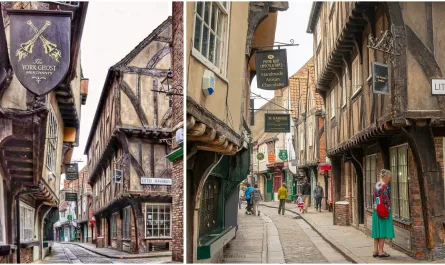
In a world that often feels hurried and overwhelming, the charm of rural architectural design encourages us to slow down and appreciate life’s simpler moments.
The soft lines of a farmhouse, the rustic character of a barn, or the storybook feel of a countryside cottage all reflect a way of living closely tied to nature’s rhythm. Exploring these architectural forms reveals not only visual beauty but also a lifestyle philosophy rooted in balance, calm, and authenticity.
Rural architecture carries a deep sense of place, shaped by the landscapes and cultural traditions surrounding it. From the aged timber of a mountain cabin to the crisp white siding of a coastal home, these buildings evoke nostalgia and familiarity. They call to mind memories of countryside summers, family gatherings in open gardens, and evenings warmed by a glowing fireplace. Each feature is designed to blend naturally with its setting, creating harmony between interior spaces and the outdoors.
The materials used in rural design are central to its warmth and character. Natural resources like wood, stone, and clay anchor structures to the land itself. This connection is more than visual — it fosters emotional comfort and well-being. Homes built with local materials often feel welcoming and grounded. Picture interiors with exposed beams, reclaimed wood floors, and handcrafted details — spaces that radiate authenticity and invite relaxation and connection.
As we explore different regional styles, rural architecture reveals remarkable diversity. English countryside cottages, with their thatched roofs and flower-filled gardens, feel almost magical. Meanwhile, adobe homes of the American Southwest offer a contrasting beauty, defined by earth-toned walls and sculpted forms that echo the desert terrain. Each tradition reflects the history, climate, and cultural identity of its people, turning architecture into a living narrative.
The internal layout of rural homes also enhances their charm. Open living areas encourage togetherness, wide porches welcome slow afternoons, and quiet corners provide space for reflection. These homes are designed around daily life — cooking, storytelling, and shared experiences. They remind us that meaningful living happens in the moments we create with others.
A growing appreciation for balance is also evident in the integration of sustainability within rural design. Many contemporary rural homes incorporate eco-conscious materials and energy-efficient systems. Subtle solar panels, rainwater collection, and organic gardens reduce environmental impact while enriching the aesthetic of the home. This mindful approach supports both environmental stewardship and personal well-being.
Community life is another defining element of rural environments. Smaller towns and countryside regions often foster close relationships, where neighbors gather to celebrate milestones and traditions. Architectural features such as town squares, shared parks, and community halls are designed to bring people together. These spaces nurture belonging and remind us of the importance of social connection.
Nature’s presence further enhances the rural living experience. Homes designed with large windows, open views, and abundant daylight create peaceful atmospheres that encourage mindfulness. Waking to birdsong or gazing across rolling fields from one’s window reinforces the restorative power of the natural world, grounding us in the present.
In recent years, rural living has seen renewed interest as many seek refuge from the pressures of urban environments. This return is not driven by aesthetics alone but by a longing for deeper meaning, slower rhythms, and sustainable living. Rural architecture embodies these values, offering spaces that support both lifestyle and well-being.
Closing reflection
Exploring rural architectural design invites personal reflection on the homes we inhabit and the lives we lead. It encourages us to value simplicity, craftsmanship, and the relationships nurtured within our walls.
Rural architecture reminds us that home is more than a physical structure — it is a feeling of comfort, peace, and belonging.
In a time when disconnection is common, these designs stand as symbols of community, nature, and authenticity. Whether we imagine a woodland cottage or a farmhouse overlooking open fields, the spirit of rural design continues to inspire spaces that truly feel like home — places where we can slow down, breathe deeply, and rediscover life’s quiet beauty.